Share the sighting, not the spot
Some birds are put at risk when their exact locations are shared. Here’s how the club, eBird and iNaturalist keep them safe — and what we ask of every member.

What is a “sensitive species”?
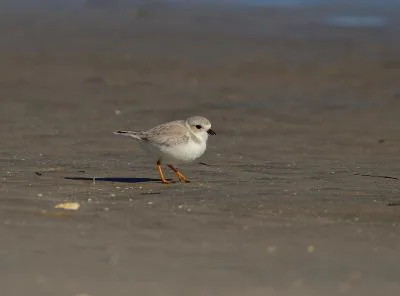
A few birds can be harmed simply because people know exactly where to find them. Some are trapped for the illegal cage-bird trade, some nest on open beaches where a single careless visit can cost a whole season’s chicks, and some are so rare that crowds of well-meaning birders can drive them away. For these birds, the kindest thing we can do is enjoy them — and keep their exact spots to ourselves.
Both of the big sighting websites birders use, eBird and iNaturalist, keep lists of these birds and protect them automatically. They do it in slightly different ways, and it helps to know both.
How eBird protects them
eBird keeps a Sensitive Species list. A bird can be on it everywhere, in one state only, or in one state for part of the year only. When a sighting is dated inside a protected time and place:
- You still see it on your own checklist, and eBird’s volunteer reviewers can still check the identification.
- Everyone else doesn’t see it on your checklist, on hotspot pages or in hotspot bar charts.
- On eBird’s species maps it appears only as a large grid square (about 400 km², roughly 150 square miles).
- County and state lists still count it, marked “Sensitive”, but without the date, place, observer or checklist link.
- It still counts toward your life list and Top 100 totals, though never as a “most recent addition”.
Does it become public later? No — the protection follows the date of the sighting, not today’s date. A December sighting of a bird protected in winter stays protected permanently; it doesn’t open up in spring. Scientists, including endangered-species recovery teams, can still use the records through a separate request that eBird checks, and protected records are left out of eBird’s public data download.
How iNaturalist protects them
On iNaturalist every observation has a location setting: open (the default), obscured or private. Some birds carry a conservation status in a state or country that switches every observation there to obscured automatically, whatever the observer chose:
- The public map shows a random point inside a box of about 0.2° — roughly 18 miles across — and the place name is cut back to the county or state.
- The photos, the identification and the date stay public; only the location is hidden.
- The observer, and people or projects they choose to trust, can still see the real spot.
- There is no season — it applies all year.
What we ask of every member
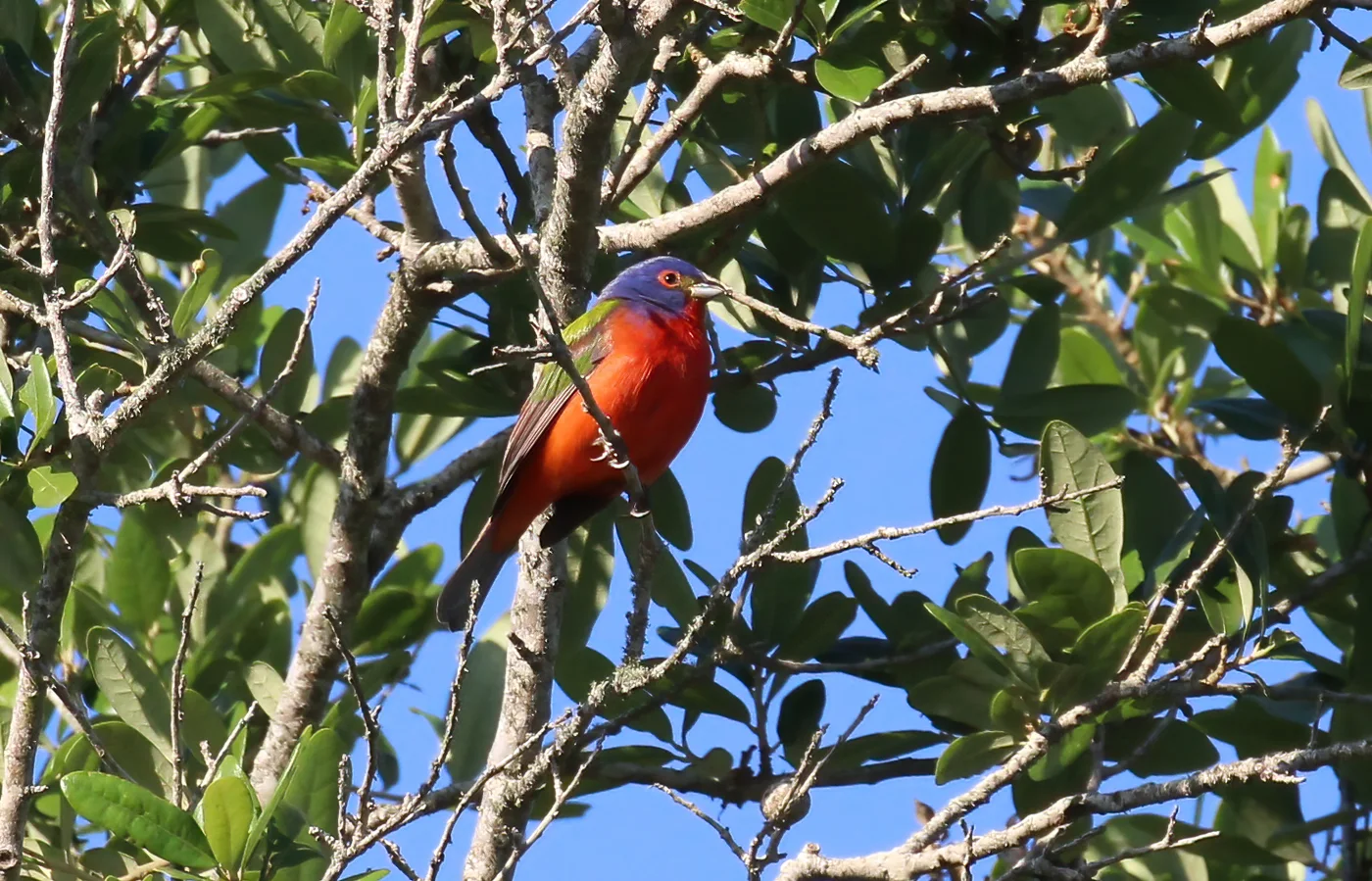
Withhold precise locations. If anyone asks for the exact location of a sensitive bird, politely withhold the details. It is completely safe to share general excitement — “The buntings are back in Nassau County!” — but never post street addresses, neighborhood names or GPS coordinates online, or point to a yard, feeder, nest, colony or roost. Skip hints like “they’re always here” or “same spot as last year”, too. That goes for trip reports, club emails, the forum and social media.
Keep your backyard private. Poachers and over-eager photographers actively monitor local social media groups for exactly these clues. If a sensitive bird visits your yard or feeder, the best practice is to avoid posting photos of it there on public websites entirely — this one included. Instead, keep those special moments private, or share them in person at our next club event!
Keep reporting. Log sensitive birds in eBird and iNaturalist as you normally would. Your records help science, and both sites hide the locations for you.
Mind the season. Some birds are only sensitive part of the year. Each species page below has a 12-month timeline; the dates follow eBird, and iNaturalist hides some species all year on its own.
Strip the location from photos. Photos shared on this website have their GPS and camera data removed automatically. Photos posted elsewhere may not — remove the location before posting a sensitive bird anywhere else.
Give nesting birds room. Stay outside posted areas, keep dogs leashed and away from nesting beaches, never use drones near colonies, and back off if a bird calls, dives or flushes. Never play recordings to draw in a threatened species.
Club trip reports
Before a trip report is published, a site administrator checks it for nests and sensitive species. New reports always start as drafts for exactly this reason — there is time to reconsider a sentence before anything goes public.
If you spot something on this website that gives away a sensitive bird’s location, please tell a site administrator and we’ll fix it.
The short version
- Withhold precise locationsShare the excitement — “The buntings are back in Nassau County!” — never an address, neighborhood, GPS point, yard, feeder or nest.
- Keep your backyard privateDon’t post photos of sensitive birds in your yard or at your feeders on public websites — share them in person at a club event instead.
- Keep reportingLog sensitive birds in eBird and iNaturalist as usual — both hide the locations for you.
- Mind the seasonSome birds are only sensitive part of the year. Each species page shows its dates.